English
  French
  Spanish
  Thai
Thai  Vietnamese
  Chinese
  Arabic
  Portuguese
  Hindi
Hindi  Nepali
  Italian
  Greek
Greek  Indonesian
  Tagalog
  Malay
Malay 
Hepatitis C Pathways 2.0 Liver Health & Beyond: A Harm Reduction Guide for Community Wellness
Whilst rates of Hepatitis C (HCV) have declined in Australia due to the success of harm reduction efforts such as Needle Syringe Programs (NSPs), Point of Care Testing Services (POCTs) and new treatments in Direct Acting Antivirals (DAAs) It is estimated in Australia there are still high numbers of people living with chronic HCV and […]
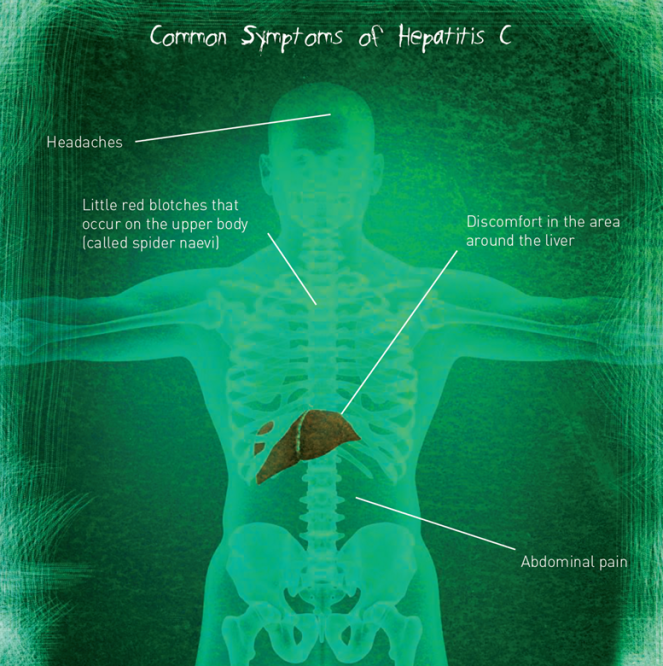
Whilst rates of Hepatitis C (HCV) have declined in Australia due to the success of harm reduction efforts such as Needle Syringe Programs (NSPs), Point of Care Testing Services (POCTs) and new treatments in Direct Acting Antivirals (DAAs) It is estimated in Australia there are still high numbers of people living with chronic HCV and liver cancer, many of whom are unaware they have it as stigma and discrimination against people who inject drugs remains a central barrier to accessing services. These extremely high numbers mean that as a community we need to get the message out on how to avoid infection by providing information and education for those living with the virus how to avoid re-infection and maintain a healthy lifestyle.
This training follows on ‘from ‘Hepatitis C Pathways: A Harm Reduction Guide for Community Wellness’ providing in depth information on hepatitis C. It has been developed by peers for people living with hepatitis C, people at risk of hepatitis C, people living with liver fibrosis, cirrhosis and liver cancer, and for people who work in areas of hepatitis C education.
For over 30 years, HCV treatment in Australia was delivered through specialist tertiary care using interferon-based therapies, with primary care (PC) limited to diagnosis. The introduction of DAAs has expanded the role of PC to include HCV testing and treatment, particularly for high risk groups, in line with national strategies.
To best deal with the effects of hepatitis C and avoid transmission it is essential to have all the information available to protect and improve individual and community health. The more people with this knowledge the better equipped we are as individuals and as a community to combat the spread and impact of hepatitis C.
Further information on these and other related topics can be found on the AIVL website at www.aivl.org.au